Taking the Paideia 450 course People and Parks: Pastoralism and Conservation in Tanzania was an experience of a lifetime. This course is built on two decades of connections between Luther College, and Tanzanian organizations and people. As a course that develops students’ ethical reasoning skills, we had many discussions and wrote journal essays on the complex relationships between conservation efforts in northern Tanzania (“Parks”) and an indigenous people that live there, the Maasai (“People”).
The Maasai are pastoralists, meaning that they own livestock, including cattle and goats, and rely on rain-fed grazing. We learned that the Maasai are one of 120 ethnic groups or tribes in Tanzania. We were very fortunate to have four Maasai guides during our stay in Tanzania, from whom we learned a lot from and got to know very well.
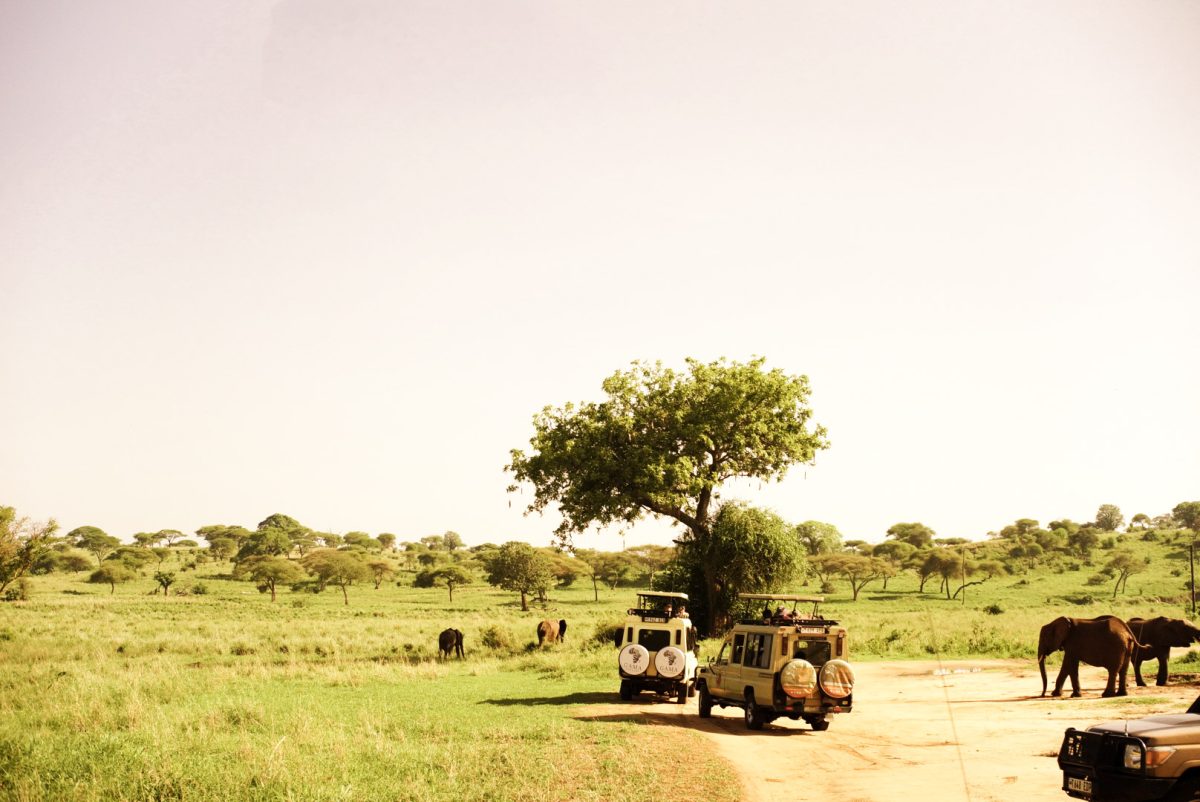
As part of the course, we visited Tarangire National Park and Ngorongoro Conservation Area, where we went on “game drives” and saw many extraordinary animals and animal interactions. The elephants were definitely my favorite. One day in Tarangire, we came across a huge herd of elephants that had at least four or five babies with them and a dung beetle was carrying away some of the elephant’s excrement. This was definitely one of the highlights of the trip for me.

It was an interesting experience being a visitor while also studying the ethical issues of ecotourism in Tanzania. This piece definitely added a more reflective experience overall for me during the trip, which I haven’t had to that extent during my previous travels. One example of such issues could be seen during these game drives. The gravel road goes right up to a lake in the Ngorongoro Crater, which gave us a really good view of the flamingos and other wildlife. However, we discussed how this proximity could cause erosion into the lake and other disturbances.
As part of the course, we also visited two bomas, which are the communal homesteads or villages of the Maasai. We camped while we were visiting the parks and the bomas, and we were able to stay in dorms at a small higher education learning center outside the city of Arusha. We also visited a couple of hostels in northern Tanzania. While visiting the bomas, we were able to have cultural exchanges and hear some of the residents’ experiences and perspectives first-hand. We also had the chance to visit a couple of schools, two secondary schools and one preschool, and met with students and were able to ask each other questions and get to know one another. It was amazing to be able to gain insight into each others’ lives, especially since some students were just one year younger than me, and looking toward starting college soon.
It sounds cliche and cheesy, but these interactions showed me the many similarities we have and things that we share, even though we grew up across the world from one another. One of the secondary schools was an all-girls Maasai school. Climate change is very heavily felt in Tanzania, especially by people that so heavily rely on the land, such as the Maasai. As we traveled throughout the region, we saw many deep gullies that have formed due to longer dry seasons and more intense rainfall during wet seasons. These gullies make the movement of people and their livestock much more difficult. Many people have had devastating losses of livestock because of the effects of these gullies. The extended dry seasons also generally limit people’s access to enough grass to sustain their herds. It was amazing to see the ways in which Tanzanians have adapted and showed resiliency despite some of the challenges that they face, however. For example, some Maasai bomas have implemented rain catchment systems to collect and store rainwater for use during dry seasons.

An important framing of our course was that we, as students, were visiting as listeners and learners. We didn’t go to Tanzania to tell Tanzanians what their problems are, or what their solutions should be. I really appreciated this aspect, and do indeed believe I learned a lot from this course and the people that I met during our stay.